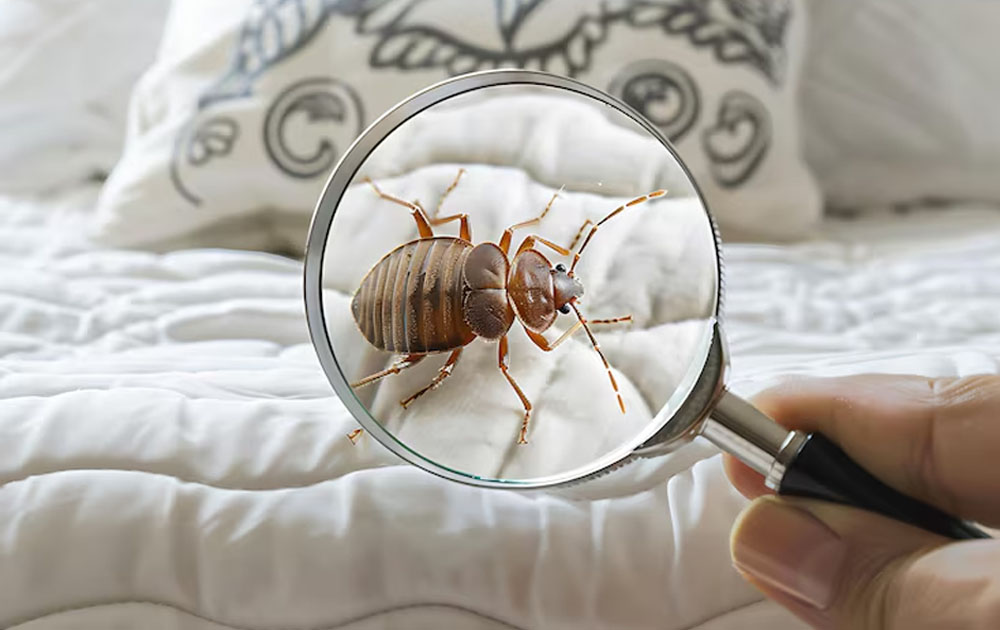
When dealing with pests in residential or commercial settings, many people assume that pest control and extermination are interchangeable terms. However, there are significant differences between these two approaches, from their methods and goals to their long-term effectiveness. Understanding these distinctions can help property owners make informed decisions when choosing a service provider.
What Is Pest Control?
Pest control is a comprehensive approach that focuses on managing pest populations through prevention, monitoring, and targeted treatment. Rather than simply killing pests on sight, pest control professionals aim to address the root causes of infestations. This includes identifying entry points, removing attractants like food and water sources, and using strategic treatments designed to minimize the impact on the environment.
- Integrated Pest Management (IPM): A science-based approach that combines multiple techniques to manage pests effectively while reducing risks to humans and the environment.
- Preventative Strategies: Sealing cracks, repairing leaks, and maintaining cleanliness to prevent infestations from occurring in the first place.
- Sustainable Solutions: Using environmentally friendly products and methods wherever possible for long-term results.
What Is Extermination?
Extermination typically refers to the process of eradicating pests quickly through chemical treatments or other aggressive methods. While effective at providing immediate relief from severe infestations, extermination often lacks a focus on sustainability or prevention. This means that without addressing underlying issues, pests may return after treatment.
- Heavy reliance on pesticides or toxic chemicals for quick action.
- Minimal focus on identifying and addressing root causes.
- A reactive method often employed as a last resort for severe outbreaks.
Key Differences Between Pest Control and Extermination
| Aspect | Pest Control | Extermination |
| Approach | Proactive & preventative | Reactive & immediate |
| Focus | Long-term management | Short-term eradication |
| Chemical Use | Reduced reliance; targeted & eco-friendly applications | Heavy use; broad-spectrum chemicals |
| Environmental Impact | Low | High |
| Cost Effectiveness | Higher over time due to prevention | Lower upfront but recurring costs likely |
Why Choosing Pest Control Often Makes More Sense
- Long-Term Effectiveness: By addressing root causes like structural vulnerabilities or environmental factors, pest control minimizes the likelihood of recurring infestations.
- Health Safety: Limited use of harmful chemicals reduces risks for families, pets, and ecosystems compared to heavy pesticide applications used during extermination efforts.
- Cost Savings Over Time: Preventive measures reduce the frequency of future infestations—and associated costs—compared with repeated extermination sessions.
By taking a more holistic view of pest management needs through pest control practices rather than relying solely on extermination efforts, property owners can ensure safer environments while achieving lasting results against unwelcome pests.
Key Differences Between Pest Control and Exterminators in Florida Explained
When it comes to managing pests, understanding the difference between pest control and extermination is crucial. While both approaches aim to address pest infestations, their methods, goals, and long-term outcomes vary significantly. Below is a breakdown of the key differences to help you make informed decisions about managing pests in your home or business.
1. Definition and Approach
- Pest Control: A holistic approach focused on managing pest populations through prevention, monitoring, and control strategies. It emphasizes long-term solutions that minimize risks to humans, animals, and the environment.
- Extermination: A more reactive approach that focuses on eliminating existing pest infestations using chemical treatments or other eradication methods. The goal is often immediate removal rather than addressing underlying causes.
| Aspect | Pest Control | Extermination |
| Objective | Long-term management | Immediate elimination |
| Approach | Preventive & proactive | Reactive |
| Environmental Impact | Reduced risk | Potentially higher chemical usage |
2. Focus on Root Causes vs Symptoms
- Pest control identifies and addresses the root causes of infestations—such as food sources, entry points, or environmental factors. By eliminating these conditions, future infestations are less likely.
- Extermination often targets visible pests but may not address contributing factors like cracks in walls or improper waste management.
Example Scenarios: – A pest control technician might seal gaps in a home’s foundation to stop rodents from entering. – An exterminator might focus solely on applying rodenticide to kill existing rodents without addressing how they entered.
3. Methods Used
- Integrated Pest Management (IPM): Combines techniques like biological controls (e.g., introducing natural predators), habitat modification, and limited use of chemicals.
- Eco-Friendly Solutions: Use of non-toxic traps or organic repellents when possible.
- Heavy pesticide application is often used for quick results.
- Minimal preventive measures are typically implemented after treatment.
4. Longevity of Results
- Regular monitoring ensures early detection of potential issues.
- Maintenance plans minimize the likelihood of recurring infestations.
In contrast: – Extermination offers short-term relief but may not prevent pests from returning if conditions remain favorable for them.
5. Safety Considerations
- Technicians are trained to apply chemicals sparingly and strategically when needed.
Extermination may involve higher quantities of pesticides which can pose risks if misapplied or overused.
Choosing between pest control and extermination depends on your needs, goals, and priorities. For those seeking comprehensive solutions with a focus on prevention and environmental responsibility, pest control is generally the better choice over traditional extermination practices that focus solely on eradication efforts without addressing long-term prevention strategies.
Key Differences Between Pest Removal Services in Florida and Extermination Explained
When dealing with unwanted pests, many individuals use the terms “pest control” and “extermination” interchangeably. However, these are two distinct approaches to managing pest issues. Understanding the differences is essential for choosing the most effective and sustainable solution for your needs. Below, we’ll break down the key distinctions between pest control and extermination.
Approach to Managing Pests
- Extermination:
Extermination focuses on quickly eliminating pests using aggressive methods such as chemical sprays or fumigation. The main goal is immediate eradication, often without addressing the underlying causes of the infestation. While this approach can deliver fast results, it typically lacks long-term effectiveness and may result in recurring pest problems. - Pest Control:
Pest control takes a more strategic and holistic approach to managing infestations. It involves not only removing pests but also preventing their return by identifying root causes such as food sources, entry points, or favorable breeding conditions. This method prioritizes environmentally friendly practices and aims for sustainable results.
Methods Used
| Aspect | Extermination | Pest Control |
| Focus | Immediate removal of pests | Long-term pest management |
| Tools/Techniques | Heavy reliance on chemicals | Integrated Pest Management (IPM) |
| Environmental Impact | Often high due to excessive chemicals | Minimal through eco-friendly methods |
| Prevention Strategies | Rarely included | Core part of the process |
Environmental Considerations
Exterminators often emphasize eliminating pests at all costs, which may involve the liberal use of toxic chemicals that can harm other organisms or contaminate soil, water, or air. In contrast, modern pest control techniques prioritize environmental safety through Integrated Pest Management (IPM). IPM combines biological controls (e.g., introducing natural predators), physical barriers (e.g., sealing cracks), and selective chemical use to minimize harm while effectively managing infestations.
Long-Term Effectiveness
- Extermination:
Since extermination focuses solely on killing pests present at a given time, it doesn’t typically address factors like habitat modification or prevention strategies. As a result, infestations are more likely to recur. - Pest Control:
Pest control professionals assess your property holistically—identifying vulnerabilities such as structural gaps or food sources—and recommend tailored strategies for long-term protection. This proactive approach ensures that future outbreaks are less likely.
Cost Implications
While extermination may seem cheaper upfront due to its immediate results, it often leads to repeated treatments because underlying problems remain unsolved. On the other hand, pest control might have higher initial costs but offers better value over time by reducing recurrence rates through preventive measures.
Why Choose Pest Control Over Extermination?
If you’re looking for a solution that balances effectiveness with environmental responsibility while minimizing long-term costs, pest control is generally the smarter choice. Its focus on prevention ensures fewer disruptions caused by recurring infestations and contributes positively toward preserving the environment.
By understanding these differences between pest control and extermination, homeowners and businesses alike can make informed decisions when selecting services to manage their pest challenges effectively.
Long-Term Effectiveness in Florida Pest Control Service Solutions
When it comes to managing pest infestations, the focus should not only be on immediate elimination but also on achieving long-term effectiveness. Short-term fixes may provide temporary relief, but they often fail to address the root causes of infestations, leading to recurring problems that require repeated treatments. Long-lasting pest control solutions are vital for protecting your home or business while reducing costs and environmental impact over time.
Why Long-Term Effectiveness Matters
- Short-term extermination may seem cheaper upfront but often leads to frequent re-infestations and repeated treatments.
- Solutions that emphasize long-term prevention minimize ongoing expenses by addressing the root cause of pest issues.
- Repeated exposure to certain chemicals due to ongoing pest problems can pose health risks for families, employees, or pets.
- Long-term solutions help maintain a safer indoor environment by reducing the need for frequent chemical applications.
- Reactive approaches may use large quantities of pesticides that could harm beneficial organisms and disrupt ecosystems.
- A focus on sustainable practices like exclusion methods and habitat modification reduces environmental damage.
Components of an Effective Long-Term Pest Control Strategy
- Inspection and Monitoring
Regular inspections help identify early signs of pests before they become a major problem. Continuous monitoring ensures corrective actions can be taken promptly. - Integrated Pest Management (IPM)
IPM emphasizes combining multiple methods such as biological controls, physical barriers, cultural practices, and targeted pesticide application. This balanced approach minimizes reliance on chemicals while increasing effectiveness. - Prevention-Focused Measures
Preventative actions include sealing entry points, removing food sources, improving sanitation practices, and addressing moisture issues—all of which deter pests from establishing themselves in the first place. - Education and Awareness
Educating property owners about conducive conditions for pests enables them to make proactive changes. For example:- Keeping trash bins sealed tightly
- Trimming vegetation away from building exteriors
- Repairing leaks promptly
Comparison Table: Short-Term vs Long-Term Pest Control
| Aspect | Short-Term Approach | Long-Term Approach |
| Cost | Lower initial cost | Greater upfront investment |
| Effectiveness | Temporary relief | Sustained results |
| Environmental Impact | Higher due to frequent pesticide use | Lower through reduced chemical usage |
| Risk of Re-Infestation | High | Significantly reduced |
Benefits for Businesses and Homeowners
- A healthier living or working environment free from harmful pests.
- Reduced reputation risks caused by visible infestations in businesses like restaurants or hotels.
- Enhanced property value through proper maintenance and prevention measures.
Adopting strategies focused on long-term results provides peace of mind while fostering a pest-free environment that supports overall health, safety, and sustainability.
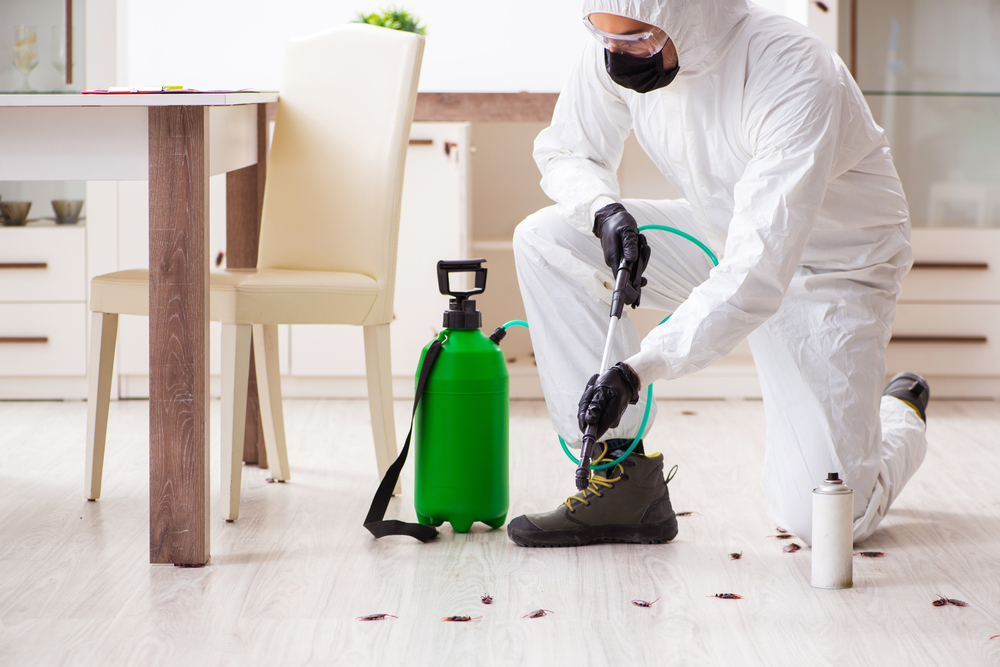
Effective Pest Removal: Debunking Myths About Chemical Usage
When it comes to pest control, there are many misconceptions surrounding the use of chemicals. While chemical treatments are a key component of pest management, not all the information circulating about their usage is accurate. Let’s explore some common myths and uncover the facts so you can make informed decisions about pest control solutions.
Myth 1: All Pest Control Chemicals Are Dangerous
Fact: Not all chemicals used in pest control are inherently hazardous. Modern pest management companies prioritize the use of eco-friendly and low-toxicity products that target specific pests without posing significant risks to humans, pets, or the environment. Regulatory authorities such as the EPA (Environmental Protection Agency) strictly evaluate and approve these products to ensure safety standards are met.
Myth 2: More Chemicals Equal Better Results
Fact: The effectiveness of a pest treatment does not depend on the quantity of chemicals used. In fact, over-application can lead to harmful side effects or even cause pests to develop resistance over time. Professional pest control services focus on strategic application—using minimal amounts targeted at specific areas for maximum efficacy.
Myth 3: Chemical Treatments Provide a Permanent Solution
Fact: While chemical treatments can eradicate active infestations, they may not prevent future reoccurrences unless paired with other preventive measures. Effective pest control involves an integrated approach—combining sanitation practices, exclusion techniques (like sealing entry points), and ongoing monitoring alongside chemical interventions.
Safe Chemical Practices Used in Pest Control
- Targeted Application
Chemicals are applied precisely where pests harbor or breed, minimizing exposure to non-target areas and organisms. - Use of Green Products
Many professionals now use organic or natural solutions derived from plant-based compounds as safer alternatives for controlling pests like ants, spiders, and cockroaches. - Timing Considerations
Application timing is critical in ensuring both safety and efficacy—chemicals may be applied during periods when people or pets are less likely to encounter them (e.g., when residents vacate temporarily).
Comparing Chemical vs Non-Chemical Methods
| Aspect | Chemical Methods | Non-Chemical Methods |
| Primary Use | Rapid removal of existing infestations | Prevention-focused strategies |
| Environmental Impact | Depends on product type; eco-friendly options exist | Minimal |
| Long-Term Effectiveness | Best when combined with prevention | Prevents infestation but slower eradication |
| Cost | Varies; often affordable for immediate results | May require higher initial investment |
Ensuring Safety During Chemical Treatments
If you opt for chemical treatment as part of your pest management plan, here’s how you can ensure your home remains safe:
– Follow instructions provided by your service provider regarding re-entry times after application. – Store food items securely before treatment begins. – Ensure ventilation during and after treatment periods. – Inform your service provider about any allergies or sensitivities beforehand.
By understanding these myths versus facts about chemical usage in pest control, you’ll be better equipped to choose safe and effective solutions tailored to your needs while minimizing environmental impacts.

How a Pest Control Company Can Help You Stay Ahead with Prevention-Focused Methods
Preventing pest problems before they occur is not only more efficient but also more sustainable than addressing infestations reactively. Prevention-focused pest management prioritizes proactive strategies to create an environment that is less conducive to pests, reducing the likelihood of costly and harmful infestations. Here’s an in-depth look at why this approach outshines reactive methods.
Benefits of Prevention-Focused Pest Management
- Lower Long-Term Costs: While proactive pest management may require an upfront investment, it significantly reduces the likelihood of severe infestations that can result in high extermination costs.
- Minimized Property Damage: Preventative measures protect structures, furniture, and other belongings from damage caused by pests like termites or rodents.
- By addressing root causes instead of relying on heavy pesticide use, prevention decreases the chemical footprint associated with pest control efforts.
- Integrated Pest Management (IPM), a popular prevention-focused strategy, emphasizes eco-friendly techniques such as habitat modification and biological controls.
- Preventative measures lower the risk of exposure to diseases carried by pests such as rodents or insects (e.g., hantavirus or West Nile virus).
- Limiting pesticide use in prevention-based systems ensures safer indoor and outdoor environments for families, pets, and local wildlife.
- Unlike reactive methods that often provide temporary relief, prevention focuses on addressing the underlying factors contributing to infestations—ensuring a long-lasting solution.
Key Components of Prevention-Focused Pest Management
| Strategy | Description |
| Sealing Entry Points | Identifying cracks, gaps, or openings where pests can enter and sealing them effectively creates physical barriers to prevent access. |
| Sanitation Practices | Maintaining cleanliness eliminates food sources for pests—critical for deterring insects like ants and cockroaches as well as rodents. |
| Habitat Modification | Removing clutter or standing water reduces favorable conditions for pests to breed or nest nearby your home or business premises. |
The Drawbacks of Reactive Pest Control
- Increased Reliance on Pesticides: Overuse can lead to pesticide resistance among certain species over time while posing health risks for humans and animals.
- Temporary Relief Only: Without tackling underlying causes like poor sanitation or structural vulnerabilities preemptively addressed via preventative action overall higher labor/time wasted dealing repeat cases longer fewer issues completely resolved .
Questions to Ask Your Pest Control Service Provider Before Hiring
Choosing the right pest control service provider is an essential step in ensuring your home or business remains pest-free. However, not all pest control companies are created equal, and asking the right questions can help you make an informed decision. Below are key questions to consider before hiring a pest control service provider, along with explanations of why these questions matter.
1. What Types of Pests Do You Specialize In?
Different pest control companies may specialize in treating specific types of pests such as termites, rodents, bed bugs, cockroaches, or mosquitoes. Understanding their expertise allows you to determine whether they have experience dealing with your particular problem.
2. Are Your Technicians Licensed and Certified?
Always confirm that the company employs trained technicians who hold proper state licensing and certifications. This ensures they meet local regulations and have the necessary knowledge to handle chemicals safely and effectively.
3. What Pest Control Methods Do You Use?
Ask about the techniques they use—whether it’s chemical treatments, integrated pest management (IPM), traps, or eco-friendly solutions. If you’re looking for environmentally safe options, ensure they offer green pest control services.
4. Can You Provide References or Reviews?
Reputable companies should be able to provide references from satisfied customers or direct you to online reviews for their services. This will give you insight into their reliability and customer satisfaction levels.
5. How Do You Ensure Long-Term Results?
Inquire about their approach to preventing pests from returning after treatment is completed. A good provider will offer preventative measures such as sealing entry points or ongoing monitoring instead of just applying short-term fixes.
6. What Is Included in Your Treatment Plan?
Request a detailed explanation of what’s included in their plan—initial inspection, customization of treatment based on your needs, follow-ups, etc.—to avoid unexpected costs later.
| Questions | Why It Matters |
| Types of pests treated | Ensures expertise with your specific issue |
| Licensing and certification | Verifies compliance with legal standards and professional training |
| Pest control methods used | Helps determine safety and suitability of treatments |
| References/reviews | Builds trust through third-party feedback |
| Long-term prevention approach | Indicates commitment to sustainable solutions |
7. Are Your Services Guaranteed?
It’s important to know if the company offers a satisfaction guarantee or a warranty for their work. This ensures accountability if pests reappear shortly after treatment.
8. How Long Have You Been in Business?
Experience often correlates with expertise in handling various types of infestations effectively over time.
9. Will You Provide an Estimate Before Treatment Begins?
Requesting a detailed cost estimate upfront prevents misunderstandings about charges later on while helping you compare services across different providers.
Final Considerations
A thorough vetting process helps ensure that the pest control provider you choose aligns with your needs regarding safety, effectiveness, and budgetary expectations. Asking proactive questions allows you to select a professional partner who will deliver effective results while prioritizing long-term prevention over temporary fixes.
Recognizing When Professional Pest Control Services Are Necessary
Dealing with pests can be a frustrating and overwhelming experience for homeowners and business owners alike. While some minor infestations can be managed with basic do-it-yourself (DIY) methods, there are specific situations where professional pest control services become essential. Below is a comprehensive guide to recognizing when it’s time to call in the experts.
Signs That Indicate the Need for Professional Pest Control
- Recurring Infestations
If you’ve attempted DIY solutions or store-bought treatments, but pests keep coming back, it’s likely time to involve professionals. Recurring infestations often indicate a larger underlying problem that requires specialized knowledge to address. - Health Risks
Certain pests, such as rodents, cockroaches, or mosquitoes, pose significant health risks through the spread of diseases like hantavirus, salmonella, or West Nile virus. If there’s evidence of these pests in your property, professional intervention is crucial. - Extensive Structural Damage
Termites, carpenter ants, and other wood-damaging pests can cause significant structural damage over time if left untreated. Noticeable signs include sagging floors, hollow-sounding wood when tapped, or visible tunnels created by insects. - Presence of Dangerous Pests
Some pests carry immediate danger due to their venomous nature (e.g., wasps or spiders) or aggressive behavior (e.g., rats). Dealing with such pests on your own can be unsafe and requires expert handling. - Unidentified Pest Activity
If you notice signs of pest activity—such as droppings, gnaw marks on furniture or wires—but cannot identify the specific pest causing the damage, hiring professionals ensures accurate identification and proper treatment. - Widespread Infestation
A large-scale infestation that spreads beyond one area of the home or property signals the need for professional expertise. Pests are more difficult to eliminate effectively at larger scales without advanced tools and techniques.
Benefits of Hiring Professional Pest Control Services
- Accurate Identification: Correctly identifying the type of pest ensures targeted treatment.
- Customized Solutions: Tailored approaches address both immediate issues and prevent future infestations.
- Advanced Tools: Professionals use specialized equipment not available in retail stores.
- Safe Application: Proper handling of chemicals minimizes risks to human health and the environment.
- Cost Savings Over Time: Addressing problems early through professional intervention prevents more costly repairs resulting from prolonged infestations.
Common DIY Methods vs Professional Services
| Aspect | DIY Methods | Professional Services |
| Effectiveness | Limited; may only treat symptoms | Comprehensive; tackles root causes |
| Safety | Risk of improper chemical use | Safe application using expertise |
| Cost | Cheaper upfront | Long-term savings on repairs |
| Time Required | Often time-consuming | Efficient with quicker resolution |
Practical Steps Before Calling Professionals
- Seal cracks and gaps in walls or windows.
- Remove food sources by storing items in airtight containers.
- Eliminate clutter where pests might hide.
- Take pictures of droppings, nests, damaged areas—these will help professionals assess the situation quickly.
- Look for licensed pest control companies with positive reviews.
- Ask about their approach (e.g., eco-friendly options) during consultations.
Recognizing when professional services are necessary can save you time, money, and stress while ensuring long-lasting solutions for your pest problems.
- How Florida Pest Control Can Keep Your Home Pest-Free
- Exterminators in Florida: Preventive Pest Control vs. Pest Treatment for Effective Solutions
- How to Choose the Best Pest Control Company for Effective Prevention and Management
- Comprehensive Guide to Florida Pest Control: From Extermination to Prevention
- Key Differences Between Hiring a Pest Control Company and an Exterminator
- Florida Pest Control vs Extermination: Understanding the Key Differences
- How Exterminators in Florida Can Benefit Your Business with Professional Pest Control
- Effective Tips from Exterminators in Florida to Prevent and Control Pests and Rodents
- Understanding Florida Pest Control: Methods, Benefits, and Key Differences